Reliable relief for nerve pain, low mood, and chronic headaches
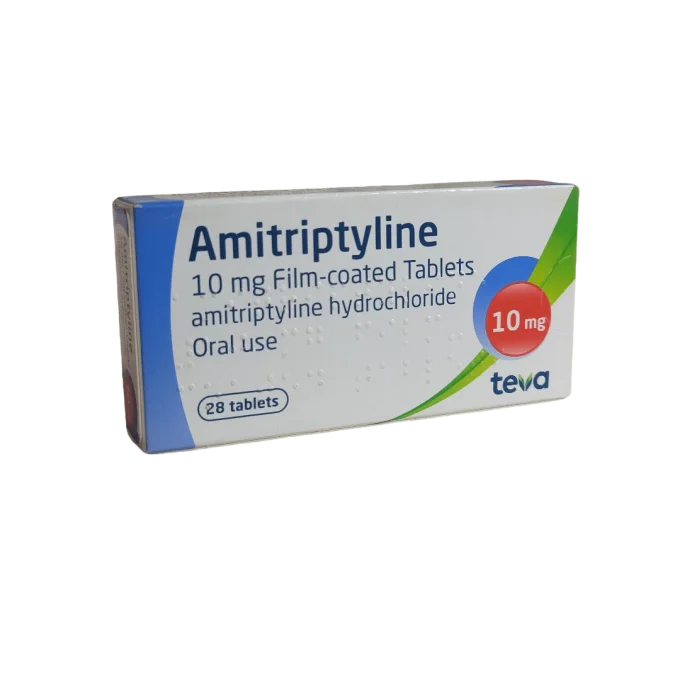
Amitriptyline is a long-standing generic medicine used for decades to treat clinical depression, calm persistent nerve pain, and prevent recurring migraines. By balancing key transmitter chemicals in the central nervous system, it also supports unbroken sleep. WordPharmacy supplies generic Amitriptyline tablets in multiple strengths with straightforward ordering and tracked, discreet shipping directly to your home.
What is Amitriptyline used for in clinical practice?
Amitriptyline hydrochloride belongs to the tricyclic antidepressant class, often abbreviated as TCAs. Chemists developed the compound in the late 1950s specifically for severe depression. Prescribers soon discovered that its systemic activity went well past psychiatric conditions, which led to decades of wide off-label utility in neurology and pain management.
Adult major depressive disorder remains the primary regulatory indication. Even so, outpatient clinics prescribe it far more often for peripheral neuropathic pain, such as postherpetic neuralgia following shingles or burning diabetic nerve damage. Neurologists rely on it as a first-line preventive measure for chronic migraine and stubborn tension-type headaches. Rheumatology practices use low evening doses to manage fibromyalgia, and gastroenterologists occasionally use it for irritable bowel syndrome with diarrhea. A tiny nighttime dose also treats severe insomnia tied to chronic pain conditions.
How does Amitriptyline actually work in your body?
The drug changes chemical concentrations in the synaptic gap between neurons. Brain cells talk to each other across these gaps by releasing serotonin and norepinephrine. Transport proteins quickly clear those transmitters away under normal conditions. Amitriptyline blocks the serotonin and norepinephrine reuptake pumps, keeping both messengers in the synapse longer to improve signaling and dampen pain transmission paths in the spinal cord.
It binds to several other receptor sites as well. High affinity for histamine H1 receptors causes rapid, noticeable sedation within hours of learning how to take Amitriptyline. It also shows muscarinic anticholinergic action and blocks voltage-gated sodium channels in peripheral nerves. That sodium-channel blockade explains its unusual strength against sharp, shooting neuropathic pain. The digestive tract absorbs the drug steadily, reaching peak plasma levels between 4 and 8 hours after intake. Hepatic enzymes then convert it into nortriptyline, an active metabolite that stays in circulation to extend clinical action.
What Amitriptyline dosage is usually prescribed?
Prescribed amounts depend entirely on the medical condition. For clinical depression, adults usually begin on 25 mg to 75 mg taken once daily at bedtime. Nighttime dosing reduces daytime lethargy. A doctor may adjust the schedule upward by 25 mg increments every few weeks, typically settling on a maintenance dose between 75 mg and 150 mg per day.
Preventive pain therapy calls for far lower amounts. Most patients start on Amitriptyline 10 mg or Amitriptyline 25 mg taken roughly two hours before sleep. Many achieve complete symptom control between 25 mg and 75 mg nightly and never need psychiatric dose levels. Seniors over age 65 start strictly at 10 mg. Older adults clear the compound slowly, making them prone to falls, severe dry mouth, and sudden dizziness.
Always swallow your tablets whole with plain water. You can take your dose with meals or on an empty stomach. If you miss a bedtime dose, skip it entirely if morning ingestion will leave you sedated during work hours. Do not take double tablets to catch up.
How fast does Amitriptyline work for symptoms?
Expected onset varies by clinical goal. Sedation starts on the first night, usually within 60 to 90 minutes. Depression responds much more slowly. Patients rarely feel genuine emotional relief during the first two weeks of daily therapy, and complete therapeutic response often requires four to six weeks of continuous compliance.
Neuropathic pain relief sits somewhere in the middle. Burning sensations and nocturnal aches begin softening after one to two weeks on a stable dose. Never stop taking your pills abruptly when you feel better. Sudden cessation produces rebound cholinergic symptoms, including nausea, chills, headache, and insomnia. A medical practitioner will always taper your dose down across several weeks.
What are the common Amitriptyline side effects?
Because the drug binds muscarinic, histaminergic, and adrenergic receptors at once, side effects occur frequently. The vast majority appear during the first two weeks of treatment and decrease as vascular and nervous tissues adapt to daily exposure.
Dry mouth: The most frequent anticholinergic effect, manageable by drinking water or using sugar-free lozenges.
Drowsiness and morning grogginess: A consequence of strong H1 receptor blockade.
Constipation and blurred vision: Common systemic effects of muscarinic inhibition on smooth muscle and eye focus.
Dizziness: Postural hypotension caused by peripheral alpha-1 adrenergic blockade when rising from a chair.
Weight gain: Increased carbohydrate cravings driven by prolonged antihistamine action.
Serious risks require vigilant monitoring. The drug carries an explicit boxed warning regarding elevated suicidal thoughts in adolescents and adults under age 24 during initial dose titrations. Cardiac conduction can also slow down, presenting as QT prolongation or sinus tachycardia. Anyone with recent myocardial infarction, active heart block, severe heart failure, or closed-angle glaucoma must avoid this medication entirely.
Can you drink alcohol with Amitriptyline or take other drugs?
You must avoid alcoholic drinks while taking this medicine. Ethanol and tricyclics both depress the central nervous system. Combining them causes profound sedation, motor impairment, and dangerous respiratory depression. Even modest amounts of beer or wine can leave you disoriented.
Serious drug interactions also demand caution. Never take this medication with monoamine oxidase inhibitors. Clinicians require a strict 14-day washout period between them to avoid fatal serotonin toxicity. Concurrent use with SSRIs, migraine triptans, or tramadol increases that same risk. Potent CYP2D6 enzyme inhibitors like fluoxetine or bupropion block clearance, driving blood levels upward into toxic ranges.
Where can I find an Amitriptyline low price and order safely?
Managing long-term nerve pain or depressive episodes requires regular medication refills. When you buy Amitriptyline online through established dispensaries, choosing generic tablets keeps prescription costs manageable. Generic formulations contain the exact bioequivalent active salt as original brand products, passing identical dissolution and stability testing without marketing costs added.
Total spend depends on strength and pack volume. Larger quantities reduce the unit cost per tablet significantly compared to standard 30-pill retail bottles. If you want an Amitriptyline best price, selecting a three-month supply is the most practical strategy. Patients frequently ask, is Amitriptyline sold without prescription, but those seeking to buy Amitriptyline without prescription should note that responsible platforms always require an evaluated clinical intake to safeguard cardiac health before dispatch.
WordPharmacy supplies verified medications safely to your home. Every parcel leaves our facility in tamper-evident, unbranded packaging to safeguard privacy, complete with door-to-door shipment tracking. You can order your regular prescription without travel or retail delays through our streamlined, patient-focused ordering system.
Frequently Asked Questions
Can I take my dose in the morning instead of at night?
Physicians generally discourage morning dosing unless a prescription specifically splits daytime and evening amounts. Because the medicine has strong sedative properties, morning administration usually causes heavy daytime fatigue and poor motor concentration.
Is Amitriptyline safe to use during pregnancy?
Maternal use is reserved for situations where alternative therapies have failed and clinical necessity clearly justifies fetal exposure risks. Neonates exposed in late pregnancy may experience lethargy or withdrawal signs, so speak with your obstetrician before continuing.
What should I do if I accidentally take too many tablets?
Tricyclic overdose is an acute medical crisis that can trigger ventricular arrhythmias, severe hypotension, hypothermia, and seizures. Call emergency emergency medical services immediately or travel to the nearest hospital casualty department without delay.
Can I split my tablets if my dose changes?
Only divide tablets that have an indented score line down the center. Plain film-coated tablets should be swallowed whole with water, because crushing or uneven breaking alters absorption rates and leaves a bitter metallic taste in the mouth.