
Antihistamines Without Prescription UK – Allergy Treatment
Antihistamines all block the same receptor, and the differences between them are about sedation, duration and format rather than strength. The bigger distinction is between tablets, which handle sneezing and itching, and nasal sprays, which handle blockage.
What histamine does, and what blocking it achieves
When the immune system meets pollen, dust mite protein or animal dander and treats it as a threat, mast cells release histamine. It opens small blood vessels, irritates nerve endings and makes mucous membranes weep.
That is sneezing, a streaming nose, itching eyes and the raised welts of urticaria. An antihistamine occupies the receptor histamine would attach to, so the message never lands. The histamine is still released; it simply has nowhere to act.
The generations, and why it matters
The first antihistamines crossed readily into the brain and sedated almost everyone. They still have uses — travel sickness, vertigo, and occasionally as a night-time antihistamine — but as everyday allergy treatment they were displaced for good reason.
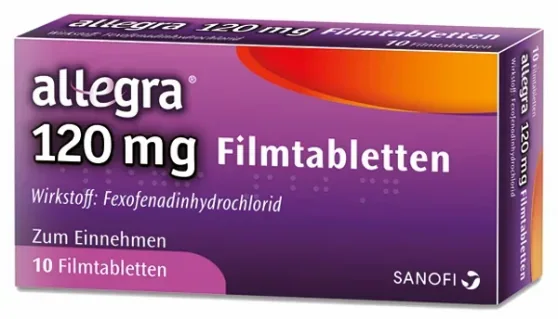
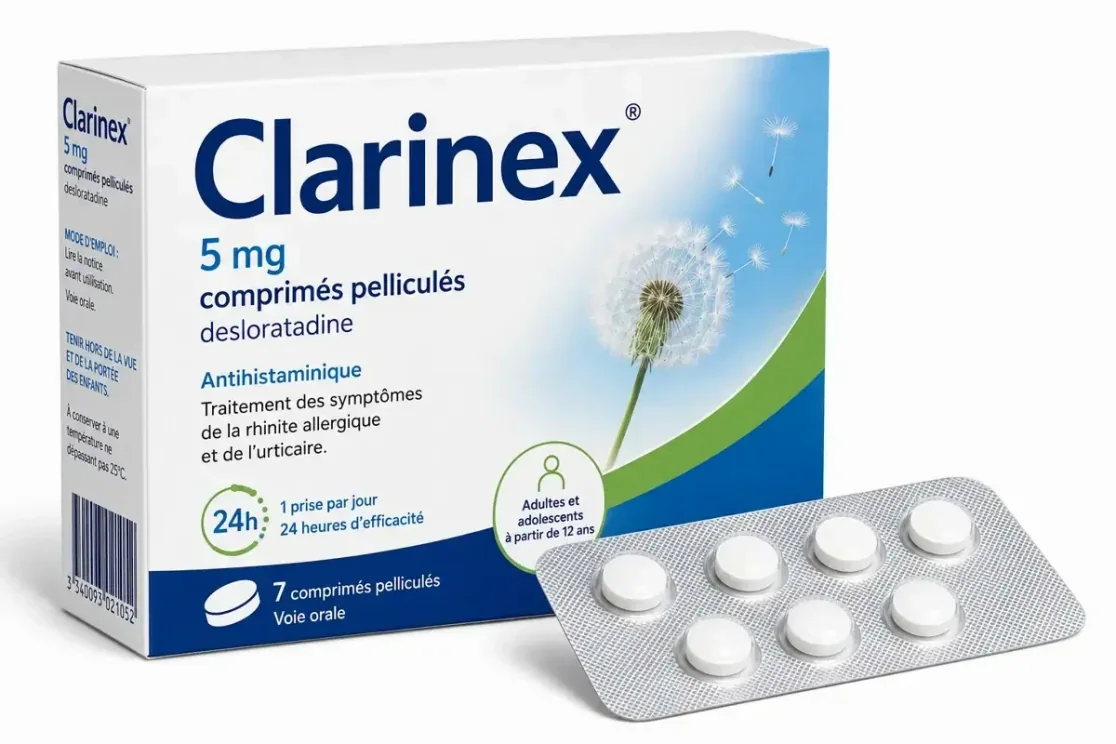
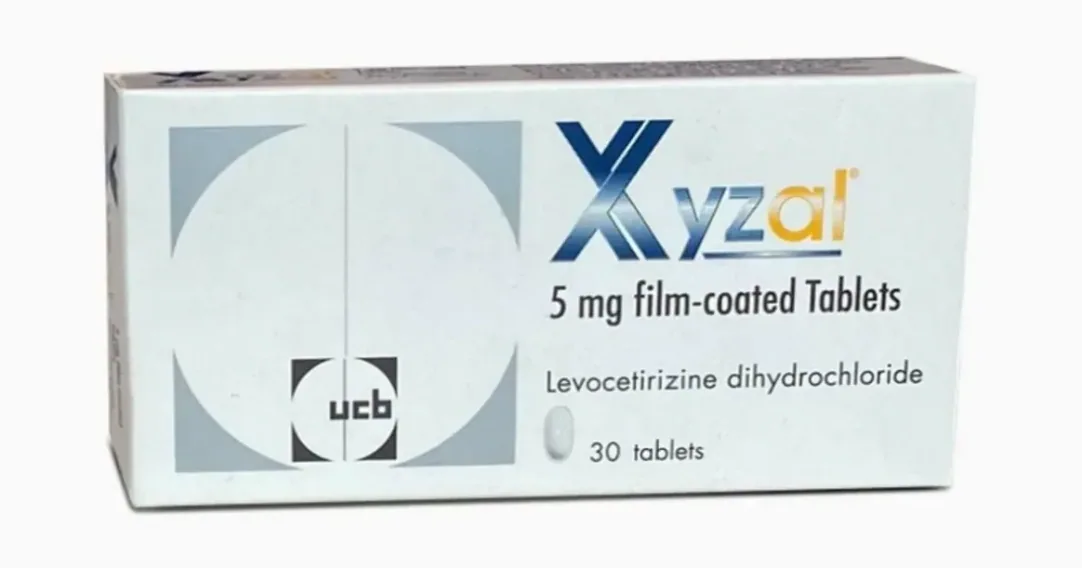
The newer ones were designed not to enter the central nervous system. Loratadine and fexofenadine cause drowsiness in very few people; cetirizine and levocetirizine are slighly more sedating but somewhat more potent, particulary for hives.
Tablets versus nasal sprays
This is the distinction people get wrong at the counter. Antihistamine tablets work well on sneezing, itching and a running nose, and do very little for a blocked one.
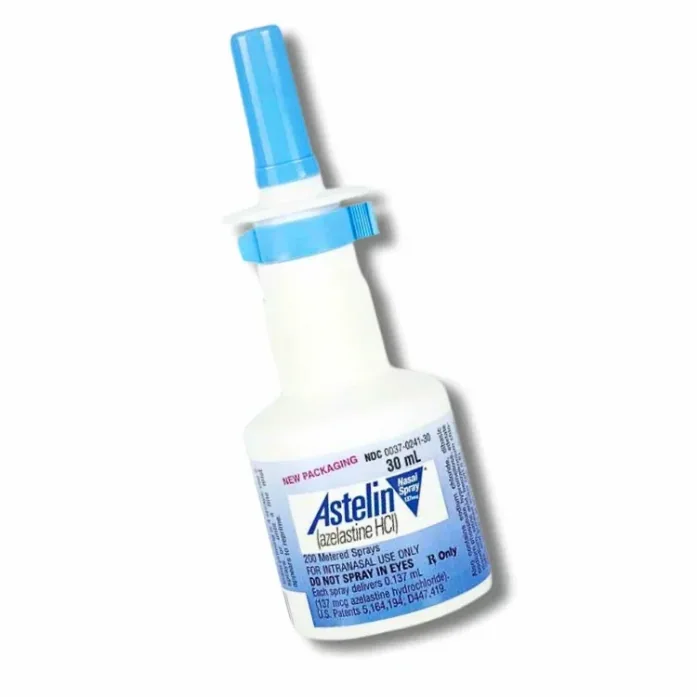
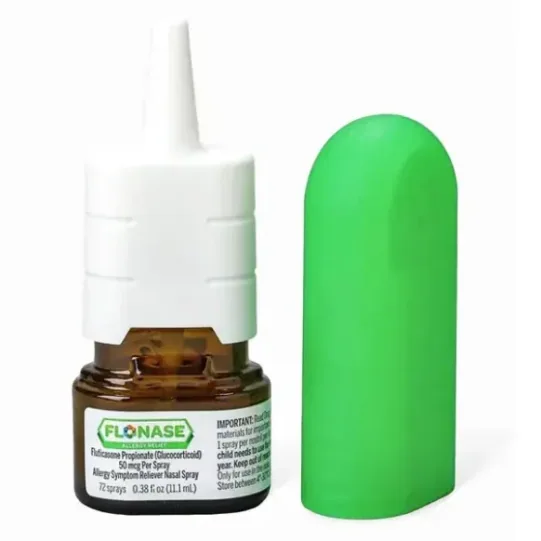
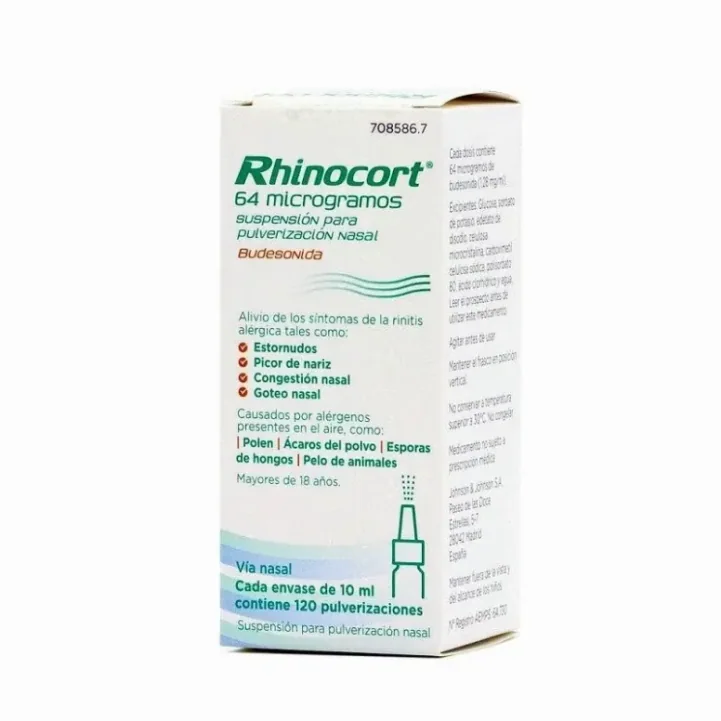
Nasal blockage is inflammation, and it responds to a steroid nasal spray — fluticasone or budesonide — which suppresses the whole inflammatory process in the lining rather than one chemical signal. The trade-off is that a steroid spray takes several days to reach full effect.
For moderate hay fever, using both is standard practice and works considerably better than doubling up on tablets.
Timing changes the result more than the choice of drug
Antihistamines prevent the histamine message far better than they unpick an inflammatory cascade already running. Taken daily through a season, and started a week or two before your usual trigger arrives, they perform markedly better than the same tablet taken reactively on bad days.
People who take one once their eyes are already streaming often conclude they need something stronger, when what they needed was earlier timing.
Travel sickness and vertigo
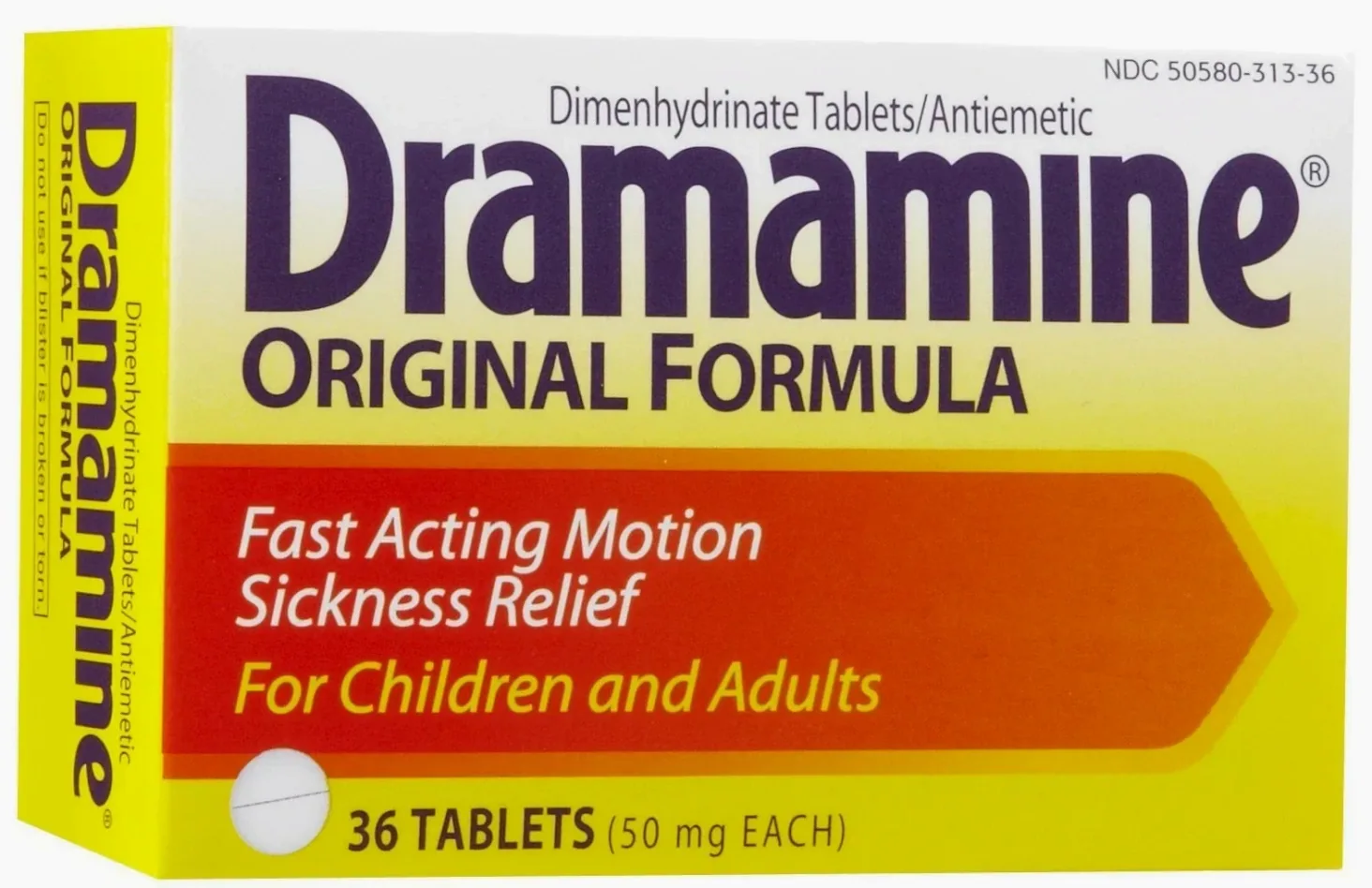
Motion sickness is a mismatch between what the eyes report and what the balance organs report. The older sedating antihistamines — dimenhydrinate, meclizine — dampen that signalling and work well, taken an hour before travel rather than after nausea begins.
For vertigo from an inner ear disorder they help an acute attack, and they should be used briefly. Longer suppression delays the brain's own recalibration, which is the actual route to recovery.
What antihistamines cannot do
They do not treat asthma, and they are no use at all in a severe allergic reaction. Swelling lips, a changing voice or difficulty breathing is an emergency requiring adrenaline, not a tablet.
And hives lasting more than six weeks deserve investigation rather than indefinite self-treatment, since there is occasionally an underlying cause worth finding.
Buying it without prescription in the UK
You choose the strength and the pack size, add it to the basket and enter a UK delivery address. Nothing else is asked of you — no prescription to upload, no consultation, no call back.
Parcels go out in plain outer packaging with no product name and no logo, so nothing about the delivery suggests medication. How long it takes depends on where in the UK it is going and which shipping option you pick at checkout.
Prices are shown in pounds and follow pack size and strength. Larger packs come out lower per unit, and a generic sits below the branded equivalent while holding the same active ingredient. The scale is printed beside the quantity options.