Targeted Heart Support for Everyday Blood Pressure Care
If you need to keep high blood pressure under control, Zebeta offers a proven once-daily routine that eases the load on your cardiovascular system. Many patients buy Zebeta to help protect against serious heart complications while keeping their daily schedule simple and predictable.
When your doctor recommends pharmacotherapy for primary hypertension, establishing a regular routine matters. Many patients buy Zebeta because it manages blood pressure without a complicated multi-dose schedule. As a selective beta-blocker, it dampens sympathetic overactivity, giving arterial walls a rest from constant pressure. High numbers rarely produce overt symptoms until vascular damage is already underway, which makes daily adherence with Zebeta tablets critical for cardiovascular outcomes.
What is Zebeta used for in daily health?
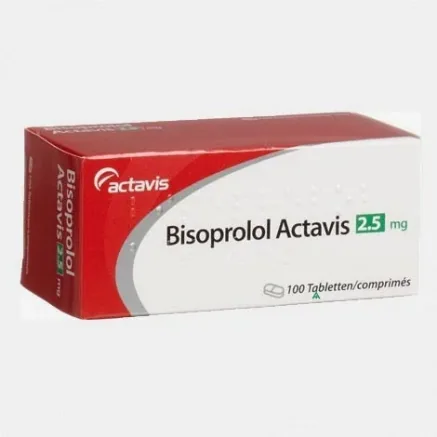
Zebeta contains bisoprolol fumarate, a cardioselective beta-1 receptor antagonist. It concentrates its pharmacological action on receptors in cardiac tissue rather than peripheral airway receptors. While primary hypertension is the main clinical indication, prescribers also rely on it for stable chronic heart failure, rate control in atrial fibrillation, and prophylactic management of chronic stable angina.
Easing strain on the left ventricle reduces long-term risks of myocardial infarction, ischemic strokes, and microvascular kidney injury. Sustained clinical reductions in systolic and diastolic pressure typically appear within seven days of starting therapy, remaining stable as long as the medication schedule stays uninterrupted.
How does this beta-blocker work in your body?
Endogenous catecholamines like epinephrine drive up heart rate and contractile force during exertion or physical stress. Zebeta inhibits these catecholamines from binding to myocardial beta-1 adrenergic receptors. The heart beats more slowly and pumps with lower force per stroke. Blood vessels face far less resistance with every contraction.
Lower renal perfusion pressures prompt the juxtaglomerular cells to downregulate plasma renin release. That drop interrupts the downstream renin-angiotensin-aldosterone cascade, preventing vasoconstriction and sodium retention. Peak plasma concentrations occur between two and four hours post-dose. The elimination half-life spans 9 to 12 hours, meaning a single morning tablet delivers therapeutic coverage across a full 24-hour cycle.
What is the right Zebeta dosage to start with?
Physicians determine how to take Zebeta based on resting heart rate, baseline blood pressure readings, and hepatic or renal clearance markers. Swallow tablets whole with water every morning. Food intake does not alter oral bioavailability or total systemic absorption.
Standard starting dose: Most adults begin at 5 mg once daily. Clinicians evaluate response after two weeks, stepping up to buy Zebeta 10 mg or a daily ceiling of 20 mg if pressure remains above clinical targets.
Adjusted dosing: In patients with severe renal impairment (creatinine clearance below 40 mL/min) or established hepatic insufficiency, clinicians start at 2.5 mg with a maximum daily limit of 10 mg.
Heart failure titration: Managing stable heart failure requires a cautious start, often initiating at 1.25 mg daily before titrating upward over several weeks based on tolerance.
Never discontinue beta-blocker therapy abruptly. Sudden cessation triggers severe sympathetic rebound, risking severe spikes in blood pressure, acute ischemia, or ventricular arrhythmias. Always taper doses down gradually over 10 to 14 days under physician oversight.
What are the most common Zebeta side effects?
Most patients tolerate bisoprolol fumarate well, though predictable adverse reactions can emerge during the first few weeks of therapy. Most symptoms reflect lowered vascular resistance or reduced pulse rate and resolve as the body adapts. Frequently reported Zebeta side effects include:
Fatigue and daytime sluggishness
Dizziness or orthostatic lightheadedness when rising quickly
Cold extremities due to peripheral vasoconstriction shifts
Transient mild nausea, loose stools, or morning headaches
Sinus bradycardia (a noticeably slower resting heart rate)
If resting heart rate drops under 50 beats per minute, or if you develop new peripheral edema, severe dyspnea, or wheezing, contact your physician promptly.
Can you drink alcohol with Zebeta or mix other drugs?
When asking can you drink alcohol with Zebeta, caution is warranted. Ethanol causes vasodilation, which compounds the hypotensive action of bisoprolol. Having even two drinks can trigger profound orthostatic dizziness, lightheadedness, or sudden syncope. Limiting or skipping alcoholic beverages helps prevent these combined drops in blood pressure.
Several common drug interactions also require careful monitoring:
Non-dihydropyridine calcium channel blockers: Agents like diltiazem or verapamil increase the danger of extreme bradycardia and severe atrioventricular conduction block.
NSAIDs: Habitual use of ibuprofen or naproxen blunts the hypotensive efficacy of beta-blockers by inhibiting vasodilatory prostaglandins.
Clonidine: Discontinuing concurrent clonidine requires tapering bisoprolol several days prior to avoid dangerous hypertensive crisis.
Antidiabetic agents: Beta-blockers mask classic adrenergic hypoglycemia warnings like tremors and tachycardia, though diaphoresis usually remains intact.
Who needs to avoid this medication entirely?
Specific cardiovascular conditions make bisoprolol fumarate hazardous. Absolute contraindications include cardiogenic shock, decompensated heart failure requiring IV inotropes, sick sinus syndrome, second- or third-degree atrioventricular block without a functioning pacemaker, and severe sinus bradycardia below 45 beats per minute.
Patients with severe asthma or advanced chronic obstructive pulmonary disease face heightened risks. Even though bisoprolol demonstrates selective affinity for cardiac beta-1 receptors, higher doses can bind to bronchial beta-2 receptors, prompting bronchospasms. Anyone with reactive airway disease must keep a prescribed rescue inhaler accessible.
Is Zebeta sold without prescription and how to buy?
Patients occasionally ask if they can buy Zebeta without prescription, but genuine regulatory authorities classify bisoprolol as a prescription-only medicine due to its significant cardiac actions. Verifying renal function and cardiovascular suitability requires medical screening before initiation. Patients searching for the Zebeta best price or wishing to order Zebeta online often choose a licensed Zebeta online pharmacy that dispenses quality generic bisoprolol.
Generic formulations deliver identical active therapeutic ingredients and bioavailability without brand-name marketing expenses. Ordering a 90-day supply frequently brings the lowest unit cost per tablet, simplifying ongoing maintenance for chronic hypertension. WordPharmacy delivers securely packaged orders straight to your residence with direct tracking, helping ensure you never miss a daily morning dose.
Frequently Asked Questions
What should I do if I miss a daily tablet?
Take your missed dose the moment you recall it later that day. If your next scheduled administration is less than eight hours away, skip the missed tablet completely and resume your established morning schedule. Never double up tablets to compensate for a forgotten dose.
How should I store my tablets at home?
Keep blister packaging or pill bottles at controlled room temperature, ideally between 20°C and 25°C. Protect the container from excessive ambient moisture, heat, and direct sunlight. Moisture-prone bathroom medicine cabinets are unsuitable, so a high dry shelf or bedroom nightstand works best.
Does taking the pill with a meal upset my stomach?
You can take your dose with breakfast or on an empty stomach. Food intake does not alter bisoprolol pharmacokinetics or blood levels. Swallowing the tablet alongside a light morning meal can prevent minor gastric flutter and helps reinforce a dependable daily dosing routine.