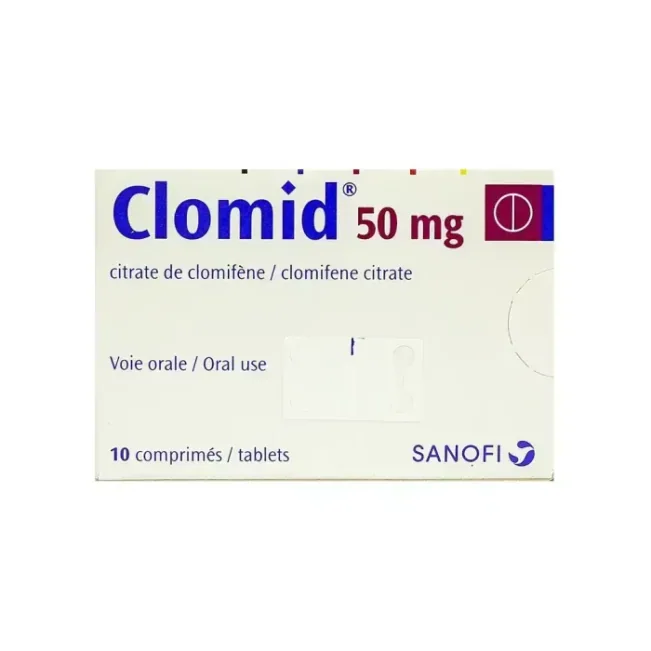
Jumpstarting Ovulation with Generic Clomid Tablets
Irregular ovulation drains your energy, both emotionally and physically. Clomid (clomiphene citrate) signals the pituitary to mature and release an egg when natural monthly cycles stall. Given as a standard five-day course, it stays one of the most reliable first-line fertility drugs prescribed today.
Patients often ask what is Clomid used for when looking to trigger ovulation, and millions deal with irregular cycles, missed periods, or polycystic ovary syndrome (PCOS). Clomid is an oral selective estrogen receptor modulator (SERM) containing clomiphene citrate. It is usually supplied at 50 mg per tablet, though some treatment plans require patients to buy Clomid 25 mg for split regimens, or buy Clomid 100 mg if standard dosing increases.
Its primary purpose is simple: helping anovulatory women produce and release a mature egg. Clinicians frequently turn to it for conditions like amenorrhea-galactorrhea syndrome, post-contraceptive cycle delays, or unexplained infertility. In select cases, specialists prescribe it off-label for male factor issues to elevate low intratesticular testosterone and sperm numbers. But it will fail if the ovaries or the pituitary gland have completely shut down, because the body requires responsive ovarian tissue to act on circulating gonadotropins.
How Clomid Stimulates Ovarian Hormones
How does one tiny tablet make dormant ovaries do their job? Clomid occupies nuclear estrogen receptors in the hypothalamus, which acts as the main command center for reproductive signaling. By latching onto these binding sites over several days, it makes your brain perceive circulating estrogen levels as unusually low. That false deficit triggers an endocrine rebound.
Because the brain assumes estrogen has crashed, it accelerates gonadotropin release. The hypothalamus pumps gonadotropin-releasing hormone (GnRH) into the hypophyseal portal system, signaling the anterior pituitary to release two essential hormones:
Follicle-Stimulating Hormone (FSH): Recruits and expands follicular clusters inside the ovaries during the early follicular window.
Luteinizing Hormone (LH): Triggers final oocyte maturation and follicle rupture once the dominant follicle reaches roughly 18 to 22 millimeters.
The drug absorbs quickly through the gastrointestinal tract. How long does Clomid last in the body? The compound has an elimination half-life of about 5 days, though stereospecific zuclomiphene isomers linger in adipose reserves and bile for weeks. Hepatic CYP2D6 and CYP2C9 enzymes metabolize the parent drug before excretion passes through feces.
Clomid Dosage Rules and Cycle Timing
How to take Clomid depends heavily on strict cycle scheduling. The standard starting regimen requires 50 mg taken once daily for 5 consecutive days. Patients usually begin on day 3, 4, or 5 following spontaneous or progestin-induced menses. If you experience total amenorrhea, your doctor might direct you to start on any arbitrary day once a serum pregnancy test comes back clean.
Ovulation typically occurs 5 to 10 days after swallowing the final fifth pill. That span marks the critical window for timed intercourse or intrauterine insemination. What if 50 mg fails to yield a mature follicle? Your doctor may step the prescription up to Clomid 100 mg daily for 5 days during the subsequent cycle, ensuring at least a 30-day washout period between trials.
Do not exceed 100 mg to 150 mg daily without direct medical supervision. Doses above this threshold fail to raise live birth rates and noticeably thin the endometrial lining.
You can swallow tablets with or without food, though taking them alongside an evening snack helps settle mild stomach upset. If you miss a dose, take it the moment you remember untill the next scheduled pill is due. When the next dosing time is right around the corner, skip the forgotten tablet completely. Never take two doses together to make up ground. A lifetime maximum of six ovulatory cycles is the accepted standard to limit long-term ovarian risks.
Recognizing Common Clomid Side Effects
Most patients complete a five-day sequence without severe difficulty, yet transient Clomid side effects are common. Because the molecule blocks hypothalamic estrogen sensors, the body mimics acute menopausal shifts. The most frequent physiological responses include:
Vasomotor flushes and nighttime sweating
Pelvic pressure, abdominal distention, and lower quadrant discomfort
Frontal tension headaches and transient lightheadedness
Bilateral breast tenderness and mastalgia
Mood swings, unexpected irritability, and heightened emotional sensitivity
Mild nausea or postprandial stomach irritation
Visual changes are less frequent but demand fast action. If you experience blurry vision, scotomas, or photophobia, discontinue the drug immediately and schedule an ophthalmic assessment. Another serious risk is Ovarian Hyperstimulation Syndrome (OHSS), wherein follicular growth becomes excessive. Severe abdominal pain, rapid fluid retention, and dyspnea require urgent hospital evaluation. Also remember that Clomid carries a twin gestation rate between 7% and 10%.
Who Should Avoid Taking Clomid Tablets
Patient safety remains the priority across all fertility therapy. Clomiphene is strictly contraindicated under these clinical conditions:
Confirmed or Suspected Pregnancy: Fetal exposure risks teratogenic harm during organogenesis.
Hepatic Dysfunction: Active liver disease or impaired transaminases prevent clearance of the drug.
Clomid shows few pharmacokinetic conflicts, yet specific pharmacodynamic combinations require caution. Using it alongside injectable gonadotropins spikes the hazard of severe OHSS and high-order multiple pregnancies. Estrogen-based therapies or selective modulators like tamoxifen directly counter the therapeutic action of clomiphene at target tissues. Danazol suppresses ovulatory responses entirely. Share every prescription, dietary supplement, and herbal fertility tincture with your doctor before opening a new pack.
Finding a Clomid Low Price and Discreet Delivery Options
Fertility therapy adds up fast, so finding the Clomid best price helps manage baseline medical expenses across several cycles. Choosing a verified Clomid online pharmacy bypasses the retail inventory surcharges seen at physical storefronts. Generic clomiphene citrate provides the identical active chemical structure as brand Serophene, providing matching bioequivalence while keeping tablet costs manageable. Ordering three-month supplies generally lowers the unit price per pill even further.
Privacy matters just as much during personal family planning. Shipments arrive packaged in plain, tamper-evident cartons without product names or therapeutic categories printed on the label. Tracked postal routing allows you to follow package movement from regional pharmacy dispatch directly to your front door.
Is Clomid Sold Without Prescription for Fertility Care?
Patients frequently question: is Clomid sold without prescription through digital dispensaries? While licensed online networks simplify acquisition, reliable medical management remains mandatory. Legitimate platforms ask for an active doctor order or conduct clinical reviews before approving treatment courses. Trying to buy Clomid without prescription through unvetted outlets is dangerous, since taking clomiphene with an undetected pregnancy or an undiagnosed ovarian mass triggers severe clinical emergencies.
Frequently Asked Questions About Clomid
How fast does Clomid work to cause ovulation?
Follicular development initiates during the active five-day medication run. Most women release an egg between 5 and 10 days after taking the fifth pill of that cycle.
Can I take Clomid with food?
Yes. Swallowing tablets with a light meal or a glass of water reduces transient stomach irritation and mild nausea.
What should I do if I miss a scheduled dose?
Take the tablet as soon as you realize it is missed, unless the following dose is already near. In that scenario, drop the missed tablet and keep your routine schedule. Do not take a double dose.
How many cycles of Clomid can I safely try?
Clinical guidelines recommend limiting clomiphene to six ovulatory rounds. If conception does not occur after three to six ovulatory months, your specialist will discuss alternatives like letrozole or gonadotropin injections.
Ordered this last month because my local pharmacy was charging way too much. Package arrived in a totally plain box in about four days, which I really appreciated for privacy. Everything was sealed tight and genuine, definitely saved me a lot of stress.