
Buy Pain Relief Online | WordPharmacy
Main types of discomfort
Nerve endings fire off warning signals whenever tissue gets torn, inflamed, or compressed. Not every sensation stems from identical causes, so clinicians sort physical distress into distinct categories before deciding on treatment. Getting the wrong pill does very little for the actual problem.
Acute trouble strikes suddenly. You might pull a muscle, twist an ankle on the stairs, or wake up sore from unexpected dental extraction. The pain clears up once damaged tissue knits back together. Chronic problems do not pack up and leave so quickly. If an ache lingers past twelve weeks, it enters chronic territory: osteoarthritis, lumbar disc wear, or frequent tension headaches that grind down your stamina over months. Neuropathic sensations are different again, caused when damaged nerve fibers misfire, sending burning signals or sudden electric jolts across the limbs.
Common drugs used for easing daily ache
Matching the remedy to the specific injury matters. Most everyday regimens start with standard non-opioid pain relief medication, which targets minor injuries or mild fevers through distinct biological mechanisms:
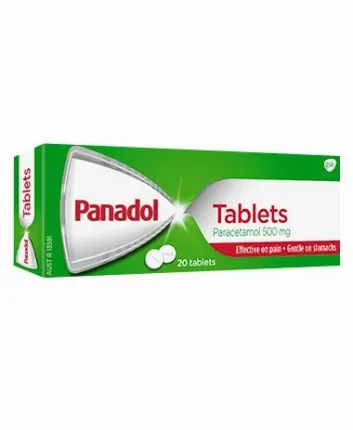
- Acetaminophen: Frequently sold as paracetamol, it works within the central nervous system to blunt headache signals and drop high temperatures, though it leaves peripheral inflammation untouched.
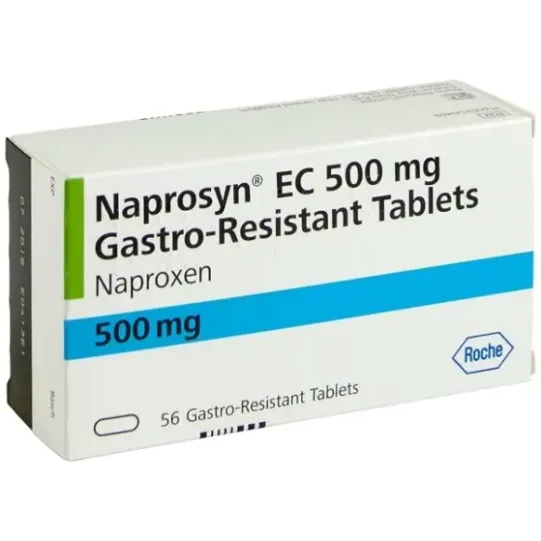
- NSAIDs: Non-steroidal anti-inflammatory options feature compounds like ibuprofen, naproxen, diclofenac, and meloxicam. They inhibit COX-1 and COX-2 enzymes, easing swollen tendons and arthritic joints directly.
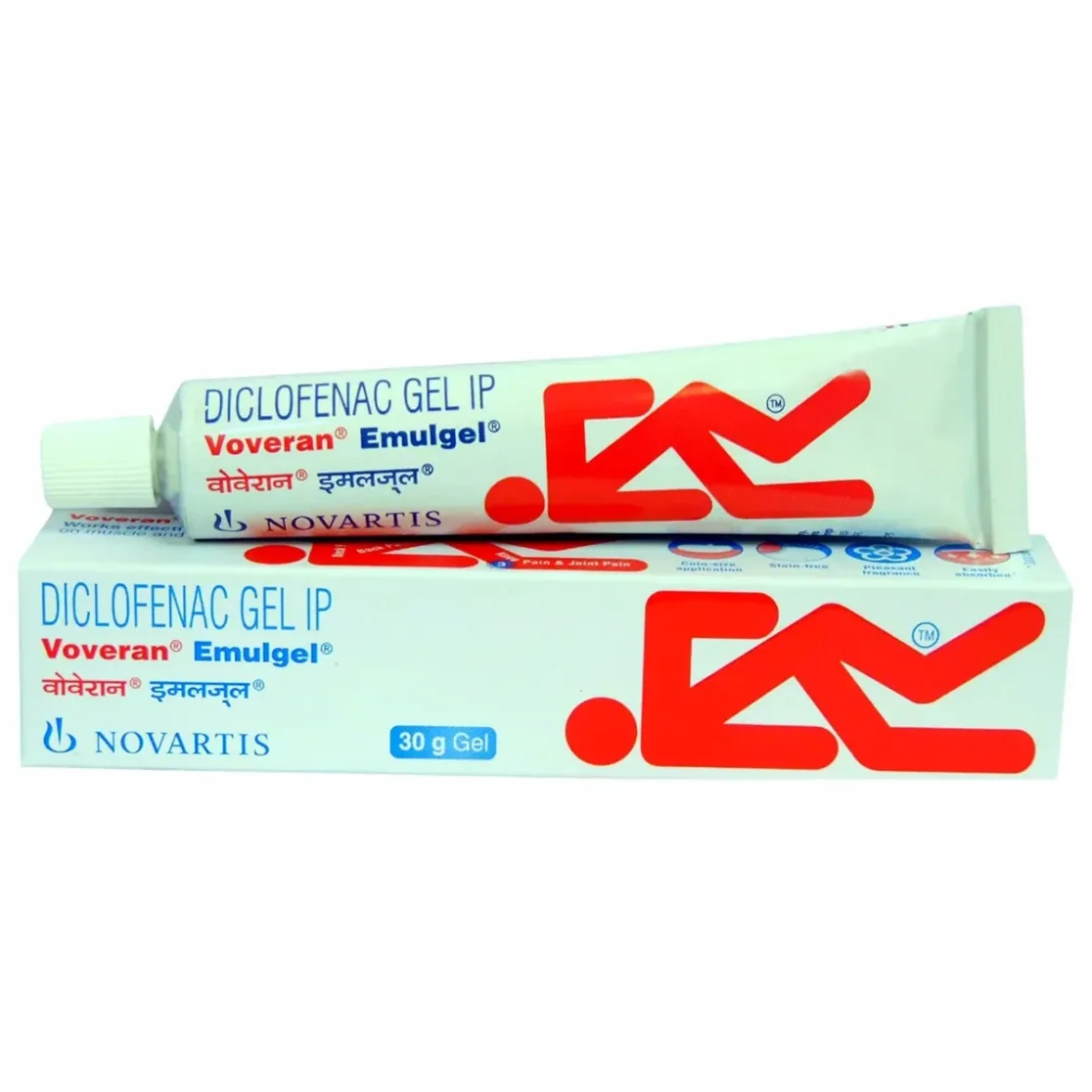
- Topical agents: Gels or adhesive patches with lidocaine block surface peripheral nerve signals, while capsaicin cream depletes substance P in localized nerve endings.
A simple pain relief comparison shows these basic pills handle everyday muscle pulls, sprains, and back soreness quite well when used according to packet directions.
How do nerve painkillers work?
Standard anti-inflammatory pills do almost nothing for damaged nerve fibers. If you deal with sciatica, diabetic neuropathy, or post-herpetic neuralgia from shingles, the problem sits inside misfiring pathways sending erratic signals straight to your spinal cord. That calls for adjuvant neuropathic treatments.
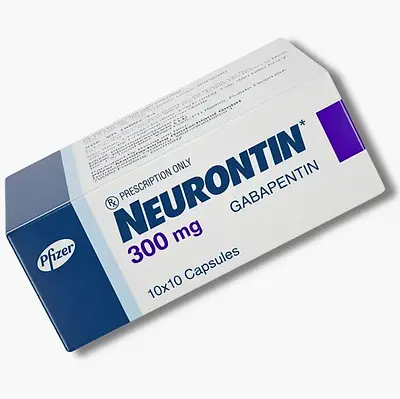
Prescription options like gabapentin and pregabalin bind to voltage-gated calcium channels in sensitized neurons. This reduces the release of excitatory neurotransmitters, damping down constant burning sensations. Clinicians also lean on medications like duloxetine or low-dose amitriptyline, which inhibit the reuptake of serotonin and norepinephrine along descending inhibitory pathways. Keeping those chemical messengers in circulation prevents distorted nerve firings from registering as severe pain in the cerebral cortex, and it helps patients sleep through the night without waking up repeatedly.
Muscle spasms and joint stiffness
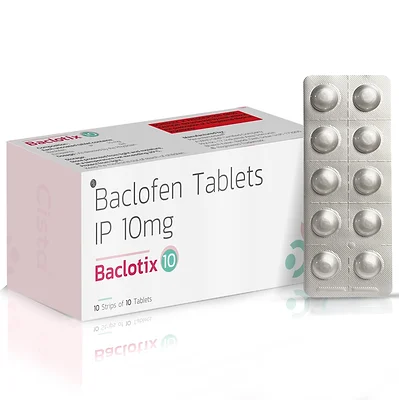
Spinal muscles frequently seize up after heavy lifting or long hours hunched over an office keyboard. Antispasmodic agents such as cyclobenzaprine or tizanidine act on central brainstem pathways to interrupt involuntary contractures. As knotted tissue lets go, local circulation returns and restricted range of motion starts to open back up. Relying solely on tablets rarely solves skeletal tightness on its own, so pairing short courses of muscle relaxers with structured stretching, light walking, and heat pads provides faster recovery than swallowing pills in isolation.
What determines your pain relief price
Managing a long-term orthopedic or neurologic condition gets expensive when you refill prescriptions every four weeks. Getting the best pain relief at a fair price usually comes down to three main commercial variables:
- Generic versus original brand: Bioequivalent generic tablets carry the identical active pharmaceutical compound at identical strengths, yet they sell at a steep discount because secondary laboratories avoid original clinical discovery costs.
- Pack quantities: Ordering ninety or one hundred-twenty tablets at once brings the unit cost way down compared to grabbing a ten-tablet blister pack at a physical counter.
- Online dispensing: Choosing to buy pain relief through a licensed digital distributor avoids brick-and-mortar retail lease expenses, letting suppliers trim end-user pricing.
Reviewing the chemical name on the box helps you locate cheap pain relief without sacrificing therapeutic bioequivalence.
Pain relief online pharmacy orders and delivery
Arranging refills through a pain relief online pharmacy spares you the hassle of driving to town and standing in counter lines when your joints ache. WordPharmacy makes it straightforward to buy pain relief online. You select your exact strength, review the generic manufacturer specifications, and check out securely without hidden fees. We also outline how to source pain relief without prescription for non-scheduled over the counter staples.
Every parcel leaves our distribution hub in plain, unbranded packaging with zero medicine references on the outer shipping label. Dependable pain relief delivery includes active tracking numbers so you can monitor your parcel from transit through arrival. Always verify dosing thresholds with your own doctor before starting a new regimen, particularly if you take prescription blood thinners or ACE inhibitors.
Frequently Asked Questions
Do generic pain medicines work the same as brand-name versions?
Yes. Certified generics deliver the same active molecular compound, milligram strength, and rate of bloodstream absorption as original trade products. Pharmacopeia standards mandate bioequivalence between 80% and 125%, so the therapeutic response in tissue remains identical.
Can I combine an NSAID with acetaminophen?
Physicians often recommend pairing paracetamol with an NSAID like naproxen or ibuprofen for stubborn post-surgical pain. The liver metabolizes acetaminophen, while NSAIDs process largely through renal filtration and target peripheral prostaglandins. Do not combine two different NSAIDs simultaneously, as gastrointestinal ulcer risks multiply quickly.
How should I store these medications?
Store your blisters in a dry, cool cabinet kept between 15°C and 25°C away from direct sunlight. Bathrooms tend to accumulate moisture during hot showers, which degrades compressed tablets prematurely. Always keep all blister strips securely away from curious children and pets.