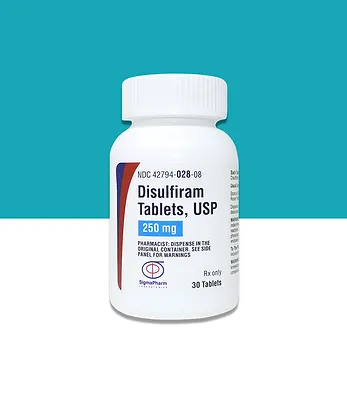
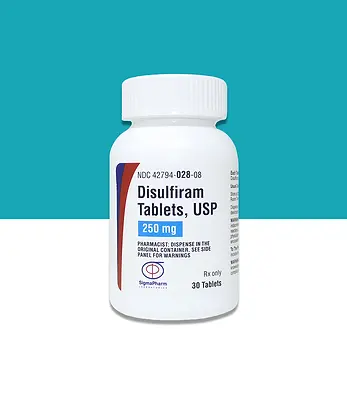
Antabuse helps people in recovery from chronic alcohol dependence hold their commitment to stop drinking. The compound changes how liver enzymes clear ethanol, which causes an immediate, punishing physical reaction if you ingest liquor. It acts as a chemical barrier alongside counselling and mutual-help groups.
When patients plan to buy Antabuse (Disulfiram) to help maintain sobriety, understanding what is Antabuse (Disulfiram) used for prevents unsafe expectations. The drug does not cure cravings or alter reward pathways in the brain. Instead, it functions as a biological deterrent. Taking the pill every day stops the normal breakdown of alcohol, so even small exposures trigger unpleasant symptoms within minutes. For patients committed to abstinence, that reliable threat provides the mental margin needed to stay clear of a slip.
Antabuse (Disulfiram) tablets
The active drug inside this medication is disulfiram. Prescribers typically supply oral formulations as Antabuse (Disulfiram) 250 mg and Antabuse (Disulfiram) 500 mg strengths. After ingestion, disulfiram is absorbed through the gut, metabolized into active compounds, and binds directly to key liver proteins. An established Antabuse (Disulfiram) online pharmacy carries both branded tablets and bioequivalent generics, each delivering the same therapeutic effect.
Patients swallow the tablet whole with water. People who struggle with swallowing pills can crush the tablet and mix it with water or soft food. Dosing runs on a daily schedule, ideally at the same hour every morning. This steady habit maintains stable blood levels so your physiological protection never lapses.
Alcohol reaction mechanism
How does the medicine prevent drinking? The liver normally metabolizes ethanol into acetaldehyde, a toxic intermediate that causes severe hangover symptoms. Aldehyde dehydrogenase then converts that acetaldehyde into harmless acetate. Disulfiram permanently binds this second enzyme, halting oxidation completely. How fast does Antabuse (Disulfiram) work? Once steady dosing begins, any exposure prompts an immediate surge of acetaldehyde.
If someone consumes alcohol while taking this medicine, acetaldehyde concentrates in the blood within 5 to 15 minutes. This disulfiram-ethanol reaction triggers a recognizable set of uncomfortable symptoms:
Flushed, hot skin across the face, neck, and upper chest
Throbbing headaches accompanied by dizziness
Sudden nausea and recurrent vomiting
Racing heart rate, chest discomfort, and lower blood pressure
Sweating, tremors, and profound weakness
Symptoms usually persist anywhere from thirty minutes to a couple of hours, directly reflecting how much alcohol entered the system. Large amounts can trigger hypotension and cardiovascular collapse that require emergency care. The liver takes up to two weeks to synthesize fresh aldehyde dehydrogenase, which explains how long does Antabuse (Disulfiram) last in the body after your last tablet. You must stay abstinent throughout that entire window.
Never take a first dose of disulfiram unless you have been completely alcohol-free for at least 12 to 24 hours. Your blood alcohol level must measure zero.
Antabuse (Disulfiram) dosage
Selecting the appropriate Antabuse (Disulfiram) dosage depends on your stage in recovery and your liver profile. Clinicians usually structure treatment across two separate phases:
Initial dose: Clinicians often recommend patients buy Antabuse (Disulfiram) 500 mg for the loading phase, taking one tablet daily for one to two weeks to deactivate the target liver enzymes thoroughly.
Maintenance dose: The daily schedule drops to a maintenance level where patients buy Antabuse (Disulfiram) 250 mg daily. When daytime sleepiness becomes bothersome, doctors may reduce the intake further to 125 mg or shift the dose to bedtime.
Never take two tablets at once to make up for a missed day. Take the forgotten pill as soon as you remember, unless the time sits close to the next scheduled dose. If that happens, omit the missed tablet and resume your regular calendar.
Safety and contraindications
Because the disulfiram-ethanol interaction places heavy strain on blood vessels and myocardial tissue, existing medical conditions can make treatment unsafe. A clinician must evaluate your cardiovascular and hepatic health before writing a prescription.
You should avoid this medication if you live with:
Severe coronary artery disease, recent myocardial infarction, or chronic heart failure
Active liver cirrhosis, acute hepatitis, or elevated transaminases
Significant renal impairment
Psychotic disorders or untreated bipolar illness
Known hypersensitivity to disulfiram or thiuram derivatives used in rubber production
Current pregnancy or lactation, since infant safety data remains incomplete
Patients must also watch for disguised alcohol in everyday household goods. Cooking wines, cider vinegars, liquid cold syrups, antiseptic mouthwashes, and alcohol-dense perfumes applied directly to skin can cause noticeable flushing.
Antabuse (Disulfiram) side effects
Even when a person avoids ethanol entirely, the compound itself can trigger transient problems during early weeks of treatment. Most of these complaints diminish as tissues adapt to the molecule.
Frequent but mild Antabuse (Disulfiram) side effects include:
Daytime fatigue and mild sedation
A metallic or garlic aftertaste in the mouth
Tension headaches
Gastrointestinal distress or looser bowel movements
Mild skin breakouts or dermatitis
Uncommon complications require urgent medical attention. If you develop dark tea-colored urine, jaundice in the eyes or skin, severe right-upper-quadrant abdominal pain, or peripheral tingling in hands and feet, alert a clinic immediately. Periodic liver function tests serve as standard protocol throughout the initial months of therapy.
Drug interaction risks
Disulfiram inhibits cytochrome P450 enzymes in the liver, which delays the clearance of other prescription drugs and causes them to accumulate to higher concentrations.
Patients taking vitamin K antagonists like warfarin face amplified anticoagulant responses and increased bleeding risk. Disulfiram also elevates serum levels of phenytoin and benzodiazepines like diazepam, compounding sedation. Combining disulfiram with metronidazole is contraindicated due to reports of acute confusion and hallucinations. Review your full medication list, including over-the-counter tablets and botanicals, with your provider before starting therapy.
Antabuse (Disulfiram) price
Comparing costs helps you budget for sustained recovery. The Antabuse (Disulfiram) price hinges on package volume, tablet strength, and whether you purchase branded formulations or generic disulfiram. Generic tablets deliver the identical chemical entity and bioavailability while offering an Antabuse (Disulfiram) low price per unit.
Purchasing three-month quantities substantially reduces per-tablet expenses compared to buying thirty-day packs at retail outlets. When you choose to buy Antabuse (Disulfiram) online through a licensed dispensary, you bypass retail distribution overheads. Parcels arrive in plain, discreet packaging with no medical tags on the outside, safeguarding personal privacy from the pharmacy to your address.
FAQ
can you drink alcohol with Antabuse (Disulfiram)?
No. Consuming any beer, wine, or spirits while taking this medication provokes intense facial flushing, violent vomiting, throbbing head pain, and dangerous drops in blood pressure within fifteen minutes.
how long does Antabuse (Disulfiram) last?
Enzyme inhibition persists for 10 to 14 days after the final dose. The body requires that time to synthesize new aldehyde dehydrogenase, so alcohol must be avoided until the entire fortnight passes.
is Antabuse (Disulfiram) sold without prescription?
You cannot safely buy Antabuse (Disulfiram) without prescription, as legitimate pharmacies require medical oversight to ensure your heart and liver can handle treatment.
Can I take the tablet with food?
Yes. You can take your daily tablet with breakfast or on an empty stomach. Taking the dose alongside a meal often minimizes mild morning nausea.