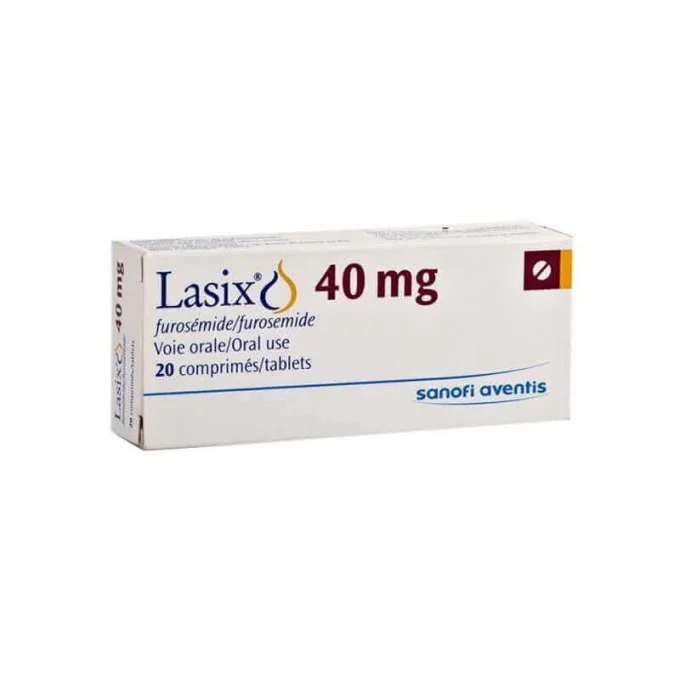
Lasix is a widely prescribed loop diuretic designed to clear extra water and sodium out through your urinary tract. Clinicians rely on it for stubborn edema tied to cardiac, hepatic, or renal disease, and to help bring high blood pressure numbers down.
Waking up with sudden puffy feet or tight ankles gets uncomfortable fast. If your physician brought up water pills during a clinic visit, furosemide was almost certainly the drug in question. When you order Lasix online to treat swelling from failing hearts, sluggish livers, or damaged kidneys, you get a compound that wastes no time pushing surplus liquid straight out through your urine.
What Lasix treats and how it helps
Lasix is simply the brand label for furosemide. It sits inside a drug class called loop diuretics, which are essentially the strongest fluid-clearing tablets doctors have. The raw compound is an odorless white crystal substance that prevents your renal tissue from holding onto heavy loads of salt.
Most people want to know what is Lasix used for when first handed a prescription slip. The main target is edema, the clinical term for pooled fluid collecting in your lower legs, feet, belly, or lung tissues. The drug remains a foundational therapy for several common ailments:
Congestive heart failure, when weak cardiac pumping causes fluid to pool backwards.
Cirrhosis of the liver, which regularly forces large volumes of fluid into the abdominal space.
Chronic kidney disease, including nephrotic syndrome with heavy proteinuria.
High blood pressure, taken solo or paired up with other daily pressure pills.
How Lasix works inside the kidneys
Your kidneys filter blood around the clock. Tucked deep in the functional nephron sits a hairpin turn called the thick ascending loop of Henle. Under normal conditions, a tiny molecular pump known as the Na-K-2Cl cotransporter drags sodium, potassium, and chloride back into the bloodstream. Because it is a potent prescription medication rather than a mild diuretic like some expect when looking for Lasix over the counter, Lasix latches directly onto that cotransporter and shuts it down.
Because those salts cannot escape back into your blood, they remain stuck inside the urinary tubule. Water naturally trails the salt. The kidney loses its normal ability to concentrate urine, leading to frequent visits to the restroom. How fast does Lasix work after a tablet? You will usually feel that unmistakable urge to urinate within 30 to 60 minutes, with peak output hitting around the two-hour mark. If you are wondering how long does Lasix last in daily life, the full diuretic run wraps up in about six to eight hours.
Finding your right Lasix dosage
No two bodies handle fluid retention the same way. For that reason, a clinician will pick your Lasix dosage based on daily urine output, basic kidney panels, and current electrolyte levels. Tablets must be swallowed whole with a glass of water rather than chewed or crushed. Some patients take standard 20 mg or Lasix 40 mg tablets, while tough refractory swelling may call for Lasix 100 mg under close supervision.
Starting doses for swelling
For adult edema, the standard starting oral amount runs between 20 mg and 80 mg taken as a single morning dose. If that initial amount fails to get fluids moving, your prescriber might bump the dose by 20 mg to 40 mg after waiting six to eight hours. Daily treatment can stay as a solitary morning tablet, or get divided into two slots like 8:00 AM and 2:00 PM. Taking it later in the evening is a mistake unless you enjoy waking up four times every night.
Dosing for high blood pressure
For high blood pressure, clinicians usually write a baseline regimen of 40 mg twice daily. The doctor monitors your pressure readings over a few weeks and adjusts the milligram count accordingly.
Daily oral therapy should stay under 600 mg. Older individuals or anyone with compromised renal clearance should start lower, often at 20 mg, to avoid sudden crashes in systemic vascular pressure.
Lasix side effects to keep an eye on
Flushing large volumes of water out of your body carries a physiological price tag. Lasix side effects mainly happen because the kidneys dump essential minerals right along with the excess fluid. The top issue to watch is hypokalemia, or deficient potassium, which leaves leg muscles feeling cramped or weak. Other ordinary complaints include:
Postural dizziness or lightheaded spells when standing up from a chair
Dry mouth and dehydration
Low blood sodium or low magnesium levels
Headaches, mild nausea, or soft stools
Higher uric acid levels, which can trigger painful gout attacks
Transient spikes in blood sugar
Severe complications are less frequent but need urgent clinical care. Pushing very steep doses through vulnerable kidneys can cause sudden ringing in the ears or temporary hearing loss. If you notice irregular heart rhythms, unusual confusion, yellowing eyes, or an acute rash, call emergency services immediately.
Who should avoid Lasix tablets
This compound is not suitable for every medical situation. Anyone whose kidneys have stopped creating urine entirely, a state called anuria, must never touch this drug. Forcing loop diuretics into non-functioning renal tissue causes severe toxicity without providing any therapeutic drain.
Patients with documented hypersensitivities to sulfonamides must proceed with real caution, as cross-reactivity can occasionally trigger allergic dermatitis. If you are dehydrated or slipping into hepatic coma from depleted electrolytes, doctors hold the medicine until lab values balance out. Expectant mothers and nursing women should avoid taking it unless their obstetrician determines the clinical benefit clearly outweighs the fetal risk.
Lasix interactions with other routine meds
Because furosemide alters your vascular volume and renal electrolyte balance, it reacts poorly with several familiar medicine cabinet staples. You will want your prescriber to evaluate your complete medication profile before starting:
Pain relievers (NSAIDs): Everyday options like ibuprofen or naproxen reduce the diuretic potency of furosemide and place strain on nephrons.
Blood pressure drugs: ACE inhibitors and ARBs taken alongside loop diuretics can trigger steep, unexpected drops in blood pressure.
Lithium: Furosemide curbs the clearance of lithium, quickly driving blood levels toward toxic territory.
Digoxin: Dropping your potassium too low leaves heart tissue vulnerable to fatal digoxin-induced arrhythmias.
Certain antibiotics: Aminoglycosides like gentamicin raise the likelihood of permanent inner-ear hearing damage when combined with loop diuretics.
Checking your Lasix price and pack sizes
Managing a long-term fluid condition means keeping routine medication expenses practical. The ultimate Lasix price you pay will track the exact milligram strength and the box size you select. Getting larger multi-month supplies reduces your expenditure per dose considerably when compared to buying small emergency quantities month by month.
Choosing generic furosemide over the original brand packaging is another easy method to save money without compromising clinical efficacy or safety standards. WordPharmacy lets you review various volume sizes so you can buy Lasix at a price point that fits your household finances comfortably.
How to buy Lasix safely online
Ordering maintenance pharmaceuticals through a reputable Lasix online pharmacy should be straightforward and confidential. Whether you choose standard doses or buy Lasix 100 mg through WordPharmacy, simply pick your box size, fill out our short health questionnaire, and complete payment—meaning you cannot simply buy Lasix without prescription safeguards. Our fulfillment team packages every order in discreet, durable parcels to protect your private health choices.
Every package leaves our dispatch facility with tracked shipping, so you can monitor transit straight to your front porch. Keep your tablet blisters at room temperature in a dry drawer, safely away from bathroom steam and direct radiator heat.
FAQ
How fast does Lasix work after swallowing a tablet?
Oral tablets begin working within 30 to 60 minutes after swallowing. The peak effect hits around one to two hours, and the total diuretic process wraps up over six to eight hours.
Can you drink alcohol with Lasix?
You should avoid combining them. Alcohol dilates peripheral vessels and speeds up dehydration, which drastically increases your risk of severe dizziness, fainting, and dangerous blood pressure drops.
What if I forget a dose?
Take the tablet as soon as you realize it was missed. If it is already late afternoon, skip it and resume your normal morning schedule so you can sleep through the night undisturbed. Never double up on pills.
Can I take Lasix with food?
Yes. Swallowing your dose with breakfast or a glass of milk is fine, and it often helps if the tablet upsets your stomach on an empty morning belly.