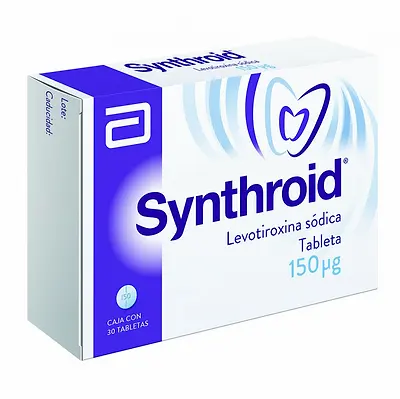
Replacing a missing thyroid hormone is conceptually simple and practically fiddly. Levothyroxine is absorbed poorly and erratically, and a long list of everyday things interferes. Getting the routine right matters more than getting the number right.
Thyroid hormone sets the metabolic rate of essentially every tissue. Too little and everything slows: fatigue, weight gain, cold intolerance, constipation, dry skin, hair thinning, slowed thinking, low mood, heavy periods.
Levothyroxine is a synthetic version of T4, the main hormone the gland produces. The body converts it into the more active T3 as required, which is why replacing T4 alone is usualy sufficient.
The absorption rules
Levothyroxine is absorbed in the small intestine and the process is easily disrupted. The standard advice: take it on an empty stomach, first thing in the morning, with water, and wait at least thirty minutes to an hour before eating or drinking anything else.
Coffee reduces absorption noticeably, which catches many people out. Bedtime dosing at least three hours after eating is an alternative that suits some people better and works just as well, provided it is consistent.
Consistency is the real requirement. The same routine every day produces stable levels; a varying routine produces blood results that make no sense.
What to seperate it from
Calcium supplements and calcium-rich foods, iron tablets, magnesium, antacids containing aluminium or magnesium, and proton pump inhibitors all reduce absorption. So do soy products, high-fibre supplements and some cholesterol-binding drugs.
A gap of four hours is the usual advice for calcium and iron. This single issue accounts for a great many people whose dose seems inadequate.
Dosing is guided by blood tests, not symptoms
The TSH level is the main guide. When thyroid hormone is low, the pituitary pushes out more TSH; as replacement becomes adequate, TSH falls into range.
Doses are adjusted in small increments, and blood tests are taken no sooner than six to eight weeks after a change, because levels take that long to stabilise. Testing earlier produces a misleading result and prompts unnecessary adjustments.
Starting doses are lower in older people and in anyone with heart disease, because raising metabolic rate too quickly increases cardiac workload and can provoke angina or arrhythmia.
Too much is a real problem
Over-replacement produces palpitations, tremor, anxiety, insomnia, heat intolerance, weight loss and diarrhoea. Over years it increases the risk of atrial fibrillation and reduces bone density.
Taking extra because you still feel tired is a common impulse and a poor idea. Fatigue has many causes, and a suppressed TSH carries its own risks.
Pregnancy changes requirements
Thyroid hormone demand rises substantially in pregnancy, and inadequate replacement affects the developing baby's brain. The dose usually needs increasing early, with more frequent monitoring.
Anyone on levothyroxine planning a pregnancy should have this discussed in advance rather than afterwards.
Brand consistency
Different manufacturers' tablets are not always perfectly interchangeable, and some people are sensitive to the switch. If you are stable on one and symptoms change after a change of supplier, that is a plausible explanation rather than coincidence.
What levothyroxine is not for
It is not a weight loss treatment. In someone with a normal thyroid it does not produce useful weight loss and does cause the harms of excess thyroid hormone.
And persistent tiredness with normal thyroid results needs a different investigation rather than a bigger dose. Anaemia, vitamin D and B12 deficiency, sleep apnoea, depression and coeliac disease all mimic hypothyroidism.
Ordering without prescription for UK delivery
Choose the strength, choose how many, and it goes into the basket. Then the delivery address and payment, and that is it — no prescription step and no waiting room.
Shipping is plain and unmarked, with nothing on the outside to indicate the contents. Transit time depends on where in the UK the parcel is heading and on the option you selected.
Prices are in pounds and follow quantity and strength. The bigger the pack, the lower the figure per unit, and a generic always sits below the branded version. The figures are listed with the quantities.