
Buy Gastrointestinal Medication Online | WordPharmacy
Common Digestive Conditions
Digestive troubles generally split into functional and structural problems. Functional issues show no visible tissue damage during examinations, yet normal motility fails. Irritable bowel syndrome fits this pattern, triggering unpredictable cramping, bloating, and erratic shifts between loose stool and constipation. Structural issues, by contrast, leave visible physical marks like erosion or chronic inflammation.
Acid reflux happens when lower esophageal sphincter muscles loosen, letting gastric acid splash upward into the esophagus. Peptic ulcer disease creates distinct open sores across the gastric lining or duodenum, frequently sparked by Helicobacter pylori bacteria or regular painkiller use. Sudden stomach bugs and intestinal diverticulitis bring their own severe, sudden bouts of nausea and gut pain.
Acid And Ulcers
Excess stomach acid burns sensitive mucosal linings fast. Antacids bring prompt relief within three to five minutes because basic compounds like magnesium hydroxide or calcium carbonate react immediately with free acid to raise gastric pH. But this neutralization is brief, usually wearing off inside two hours once the stomach clears.
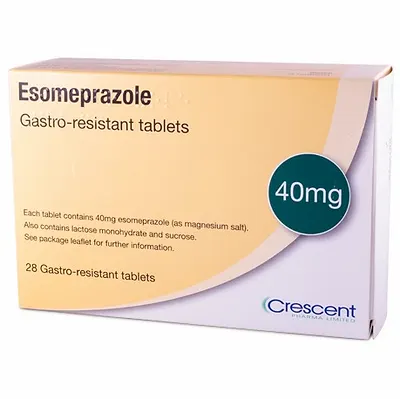
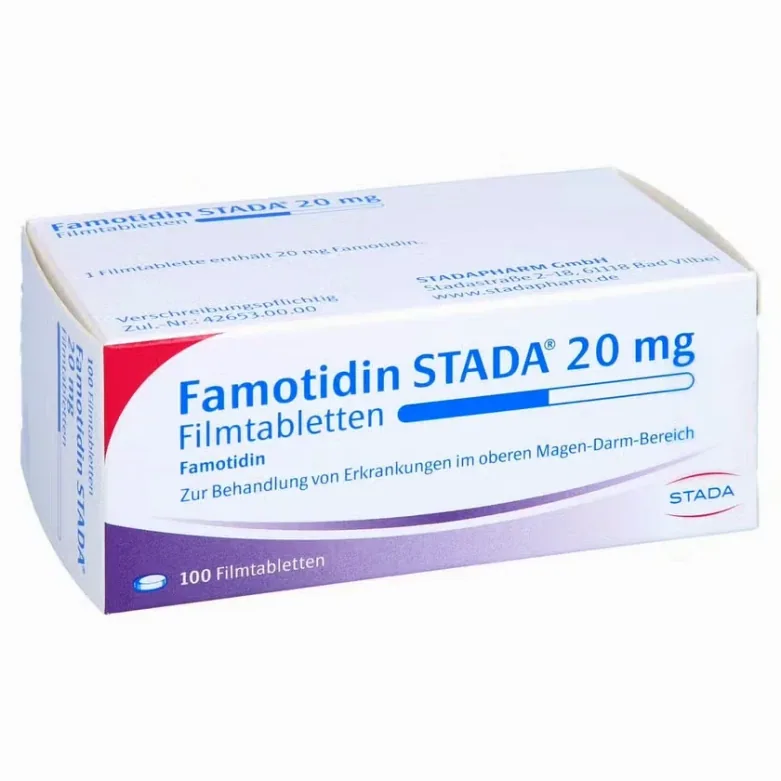
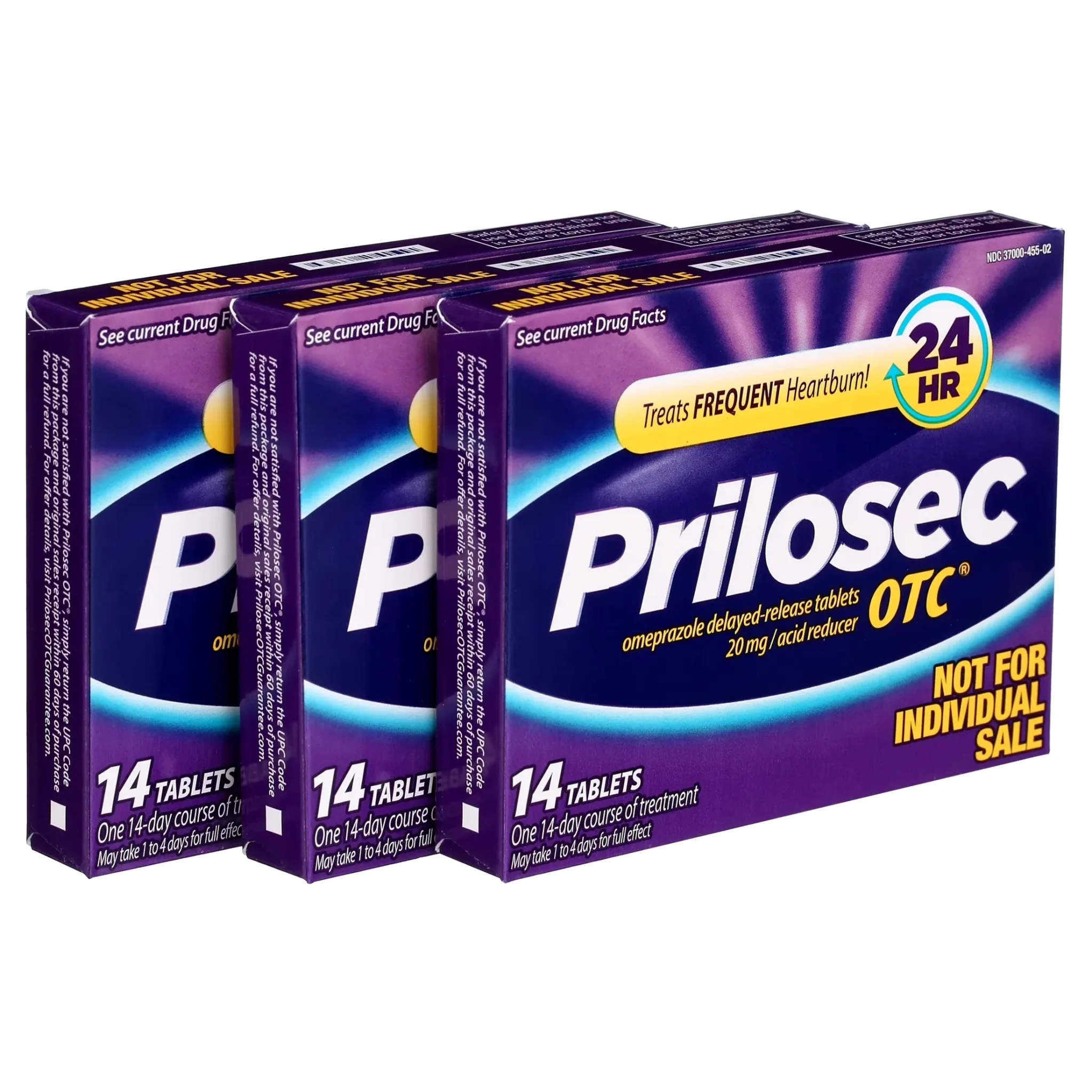
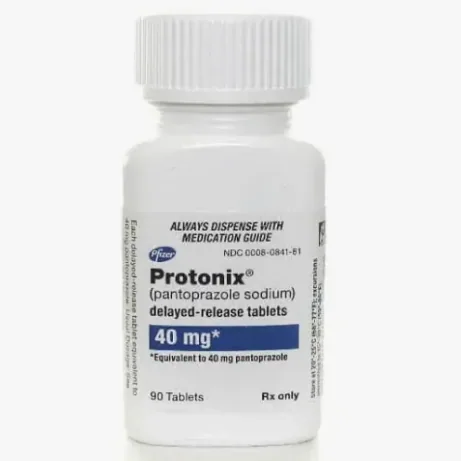
For sustained relief, H2 blockers like famotidine stop the chemical triggers that prompt stomach cells to secrete acid. Proton pump inhibitors cut deeper into the process. Medications like omeprazole, pantoprazole, and esomeprazole permanently deactivate acid-producing pumps in gastric tissue. That suppresses acid output for twenty-four hours, giving damaged tissue time to heal. Sucralfate takes an entirely different route by binding directly to ulcer craters to form a protective physical barrier against corrosive digestive juices.
Bowel Movement Relief
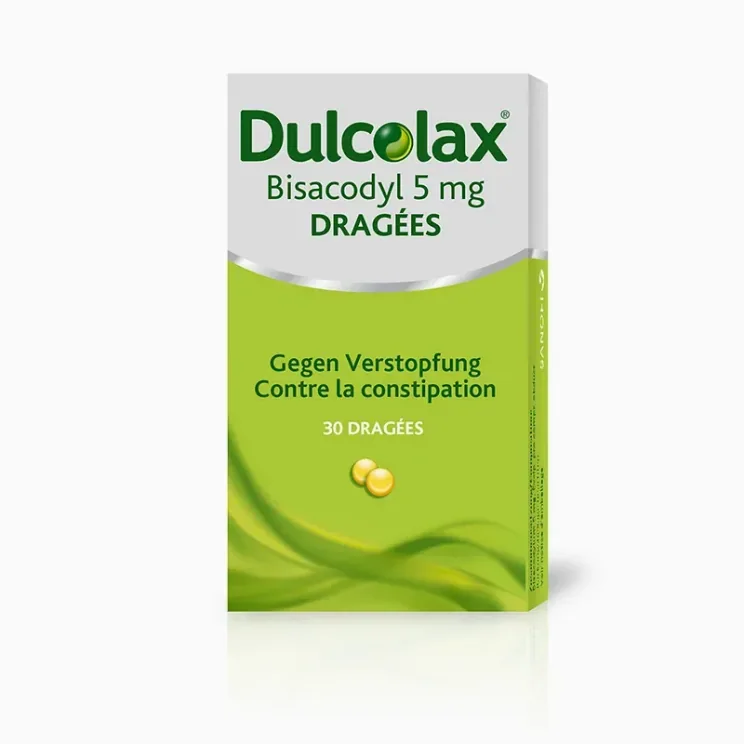
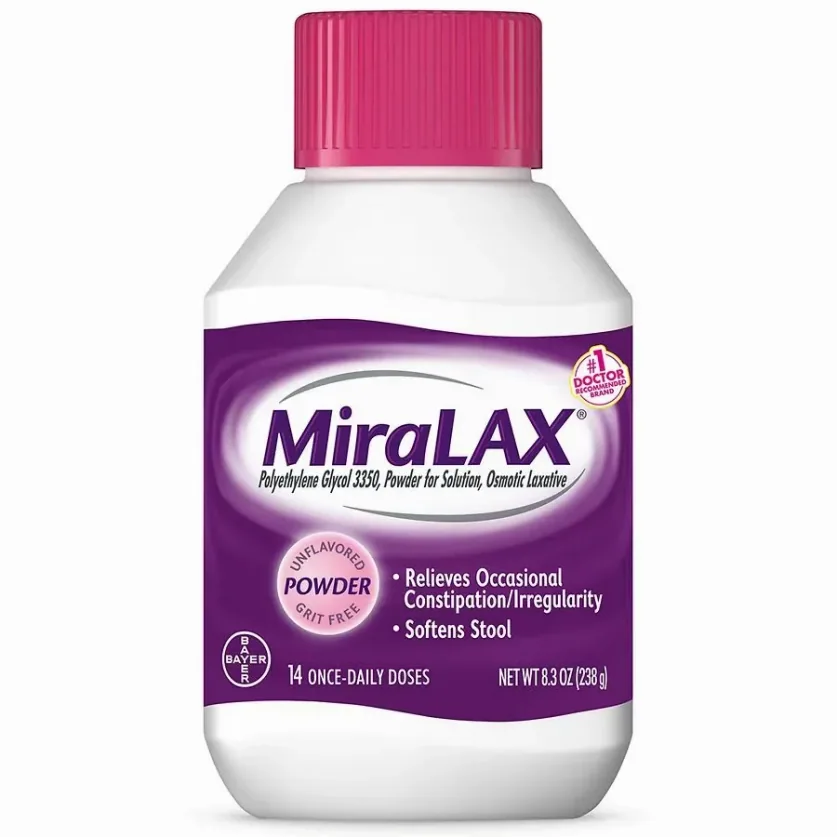
Irregular gut motility calls for targeted pharmacological tools depending on bowel speed. Osmotic laxatives such as polyethylene glycol pull water straight into the stool to soften stubborn impactions without irritating delicate intestinal walls. Bulk-forming psyllium expands waste volume gently. Stimulants like bisacodyl take a direct route, triggering mucosal nerve plexuses to force muscular contractions.
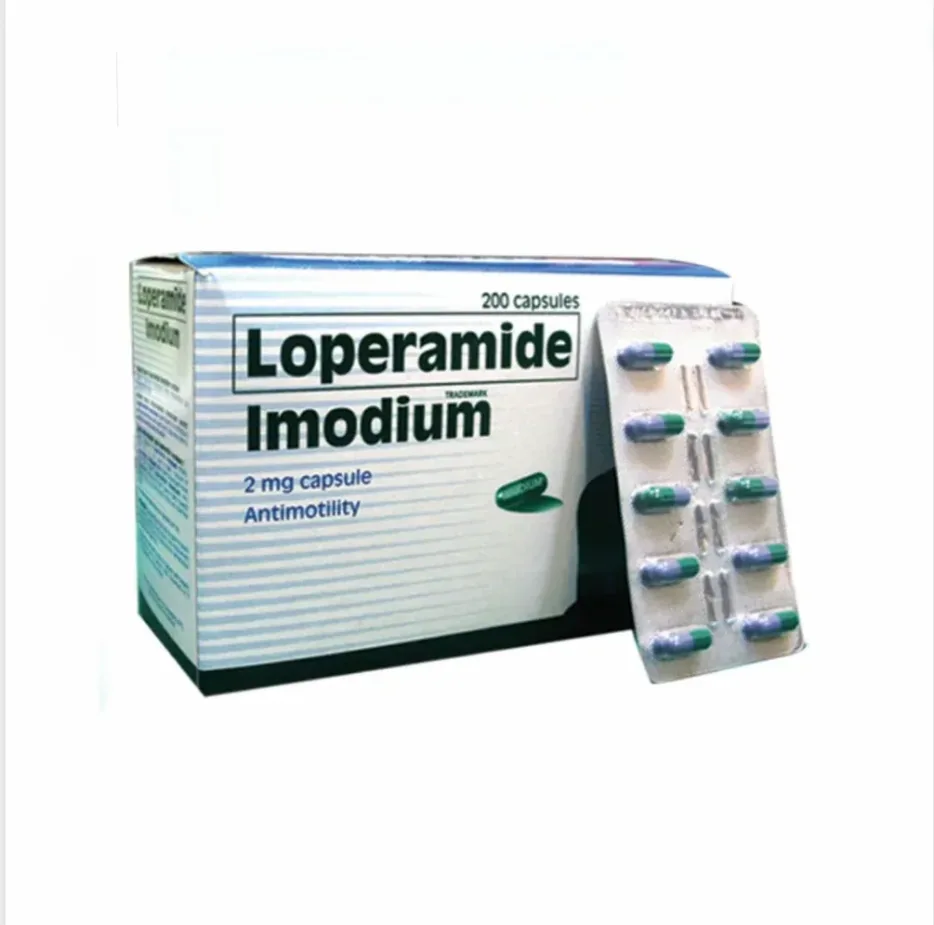
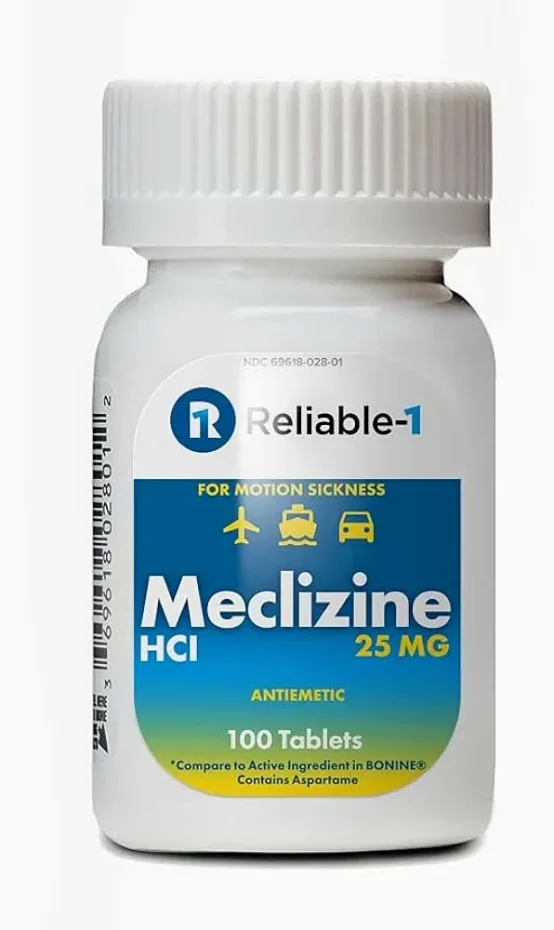
When diarrhea strikes, loperamide binds to opioid receptors in the intestinal wall, slowing down muscle contractions so fluids can reabsorb properly. Painful abdominal cramping often responds well to antispasmodics like dicyclomine, which relax smooth muscle walls directly. If sudden nausea threatens dehydration, antiemetics such as ondansetron block serotonin signals between the gut and the brainstem vomiting center.
Gastrointestinal Medication Comparison
Browsing pharmacy options reveals generic formulations sitting next to familiar retail brands, prompting questions about real differences. Brand drugs carry higher prices primarily to recoup original research spending and commercial marketing budgets. A straightforward gastrointestinal medication comparison shows identical active molecules, dosage strengths, and clinical efficacy between both forms.
Secondary inactive ingredients like tablet binders, fillers, or outer color coatings can vary slightly between manufacturers, yet therapeutic impact matches the originator. Choosing an unbranded generic gives you identical symptom relief without paying extra for decorative packaging.
Cheap Gastrointestinal Medication
Securing cheap gastrointestinal medication does not require sacrificing quality standards or therapeutic reliability. When you buy gastrointestinal medication online from a dedicated digital dispensary, lower operating overhead translates into noticeably reduced shelf prices. Relying on generic equivalents remains the most practical method to buy gastrointestinal medication while keeping chronic expenses manageable.
Buying in larger box sizes also drives down the cost per dose compared to buying smaller quantities repeatedly. Finalizing an order takes just a minute through our checkout system. Parcels leave the warehouse in plain, unbranded boxes without sensitive labels, and tracked gastrointestinal medication delivery lets you monitor your parcel until it reaches your front door.
Frequently Asked Questions
How do proton pump inhibitors differ from antacids?
Antacids neutralize existing stomach acid in minutes to ease immediate heartburn, but their effect fades quickly. Proton pump inhibitors take several hours to start working because they bind to acid-producing enzymes, shutting down new acid production for a full day to allow inflamed tissue to recover.
Are generic stomach medicines safe?
Yes, generic drugs are completely safe. Regulators mandate that generic tablets share the exact active chemical compounds, purity standards, and blood absorption rates as original branded products.
Can I take antacids whenever I want?
Occasional antacid use works fine for sporadic overeating or mild indigestion. Taking antacids multiple times a week points to untreated acid reflux or an ulcer that requires evaluation and a dedicated daily acid reducer.