Buy Hair Loss Treatment Online | Pharmacy Direct
How Propecia and Finasteride Tackle Thinning Hair
Most adults shed between 50 and 100 hairs daily during regular follicle turnover. Trouble starts when shedding outpaces renewal, which exposes the scalp along the vertex or frontal line. In roughly 90 percent of men, genetics drive this change through androgenetic alopecia. Hair follicles in susceptible regions possess inherited vulnerability to dihydrotestosterone (DHT), a potent derivative of circulating testosterone.
Oral blockers like Propecia intervene directly in this biochemical pathway. The active component, finasteride, inhibits the type II 5-alpha reductase enzyme responsible for turning serum testosterone into damaging DHT. Lower tissue DHT lets choked follicles recover normal blood supply and resume active anagen growth. Instead of coating hair strands like cosmetic shampoos do, this hair loss treatment medication halts thinning from within the scalp tissue itself.
How to Pick the Best Hair Loss Treatment for Your Scalp
Not all shedding patterns share the same underlying trigger. Before arranging your hair loss treatment delivery, a quick hair loss treatment comparison helps clarify whether oral tablets or topical solutions match your stage of thinning:
- Propecia (Finasteride 1mg): The reference oral tablet formulated specifically to suppress scalp DHT and stabilize male pattern hair loss.
- Proscar (Finasteride 5mg): A higher-strength tablet featuring identical finasteride, frequently quartered by patients seeking a cheap hair loss treatment alternative.
- Finpecia (Finasteride 1mg): A widely prescribed generic equivalent offering the same active ingredient at a lower hair loss treatment price point.
- Avodart (Dutasteride 0.5mg): A broader dual-enzyme inhibitor blocking both type I and type II 5-alpha reductase, typically used when standard finasteride yields plateaued results.
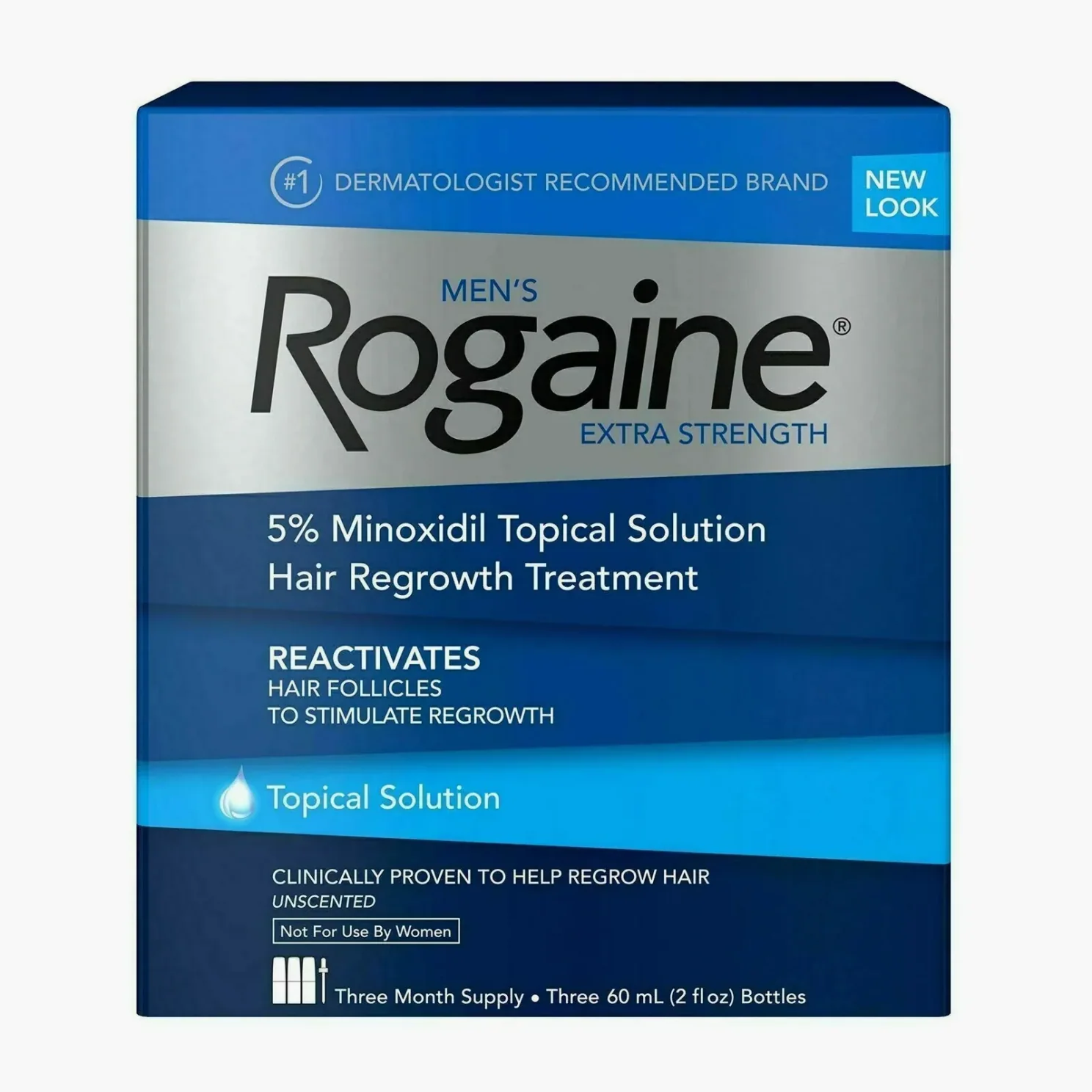
- Minoxidil (2% and 5%): A daily topical liquid or foam that dilates microvessels near hair roots to prolong active growth phases.
For progressive genetic thinning, daily 5-alpha reductase suppression remains the foundation of treatment. Temporary diffuse shedding triggered by acute illness or extreme emotional shock—known clinically as telogen effluvium—requires nutritional repair or stress management rather than endocrine-targeting tablets.
What to Expect Once You Start Finpecia or Avodart
Human scalp hair grows roughly one centimeter every 30 days, which demands realistic expectations. You will not wake up with dense hair after two weeks of therapy. In many patients, an early wave of shedding occurs within the first month. Weakened telogen hairs drop out to clear room for new, thicker shafts pushing upward through the scalp.
Noticeable stabilization usually shows up between three and six months of continuous daily therapy. Crown thinning slows down first, followed by a subtle increase in individual strand diameter. Peak cosmetic improvements generally take twelve full months of adherence. Keep in mind that finasteride only holds back DHT while present in your system. Dropping the medication allows DHT levels to rebound, resuming genetic follicle miniaturization within months.
Taking Propecia Correctly and Avoiding Unwanted Reactions
Daily dosing is straightforward: swallow one 1mg tablet whole with water, with meals or on an empty stomach. Taking your pill at the same time each morning or evening builds consistency. If you miss an intake, skip that dose and continue the regular schedule the following day. Never take two tablets at once to make up for an omission.
Clinical trial data show that most men tolerate finasteride without noticeable complications. However, adjusting systemic hormone conversion can occasionally produce temporary adverse reactions in a tiny subset of patients:
- Decreased libido or minor erectile changes
- Slight drop in ejaculatory fluid volume
- Allergic skin rash, localized hives, or mild facial puffiness
- Transient dizziness during the initial weeks of treatment
These unwanted symptoms typically diminish as the body acclimates, or resolve completely once therapy stops. Any persistent or troubling reaction warrants a prompt discussion with a physician.
Who Should Avoid Taking Propecia Tablets
Finasteride tablets are intended strictly for adult men diagnosed with androgenetic alopecia. Women must avoid taking or handling these tablets, especially during pregnancy. The active compound can absorb transdermally and disrupt genital development in a male fetus, making cracked or broken tablets hazardous to touch.
Men experiencing patchy, sudden hair loss from autoimmune conditions like alopecia areata will also find little benefit from DHT blockers. In those scenarios, immune cells mistakenly attack follicle bulbs, which calls for targeted anti-inflammatory regimens or dermatological immunotherapy rather than oral finasteride.
Order Hair Loss Treatment Online with Discreet Dispatch
Securing proven therapies without waiting rooms or queues is simple when using a hair loss treatment online pharmacy. Cost varies based on your selection: branded Propecia commands higher retail rates, whereas generic Finpecia delivers identical pharmacology at a fraction of the cost, making it an accessible hair loss treatment without prescription counter delays. Multi-month bundles further reduce unit costs. When you order hair loss treatment online, your package ships in neutral, unmarked wrapping with door-to-door tracking to ensure complete medical privacy.
Frequently Asked Questions
Can I stop taking Propecia once my hair grows back?
No. Genetic balding is an ongoing physiological trait rather than a temporary infection. Discontinuing treatment lets DHT levels climb back up, meaning newly retained follicles will gradually miniaturize and shed over six to twelve months.
Are generic finasteride tablets as effective as original Propecia?
Yes. Approved generics like Finpecia carry identical chemical profiles, bioavailability, and 1mg finasteride dosages, delivering the exact therapeutic impact of the original brand name.
Does frequent shampooing make hair loss worse?
Not at all. Regular washing clears sebum, sweat, and flaking skin that might irritate follicles. Hairs gathered in your shower drain had already entered the shedding phase weeks earlier and were merely released during washing.